Spain is one of the most complete destinations in Europe: a country of contrasts where millenary history, cultural diversity, and world-renowned gastronomy combine with landscapes that change dramatically in just a few hours. Designing the best route to explore Spain requires finding a balance between iconic cities, authentic experiences, and a pace that allows you to enjoy every detail without rushing.
This Spain itinerary proposes a journey connecting Madrid, Barcelona, La Rioja, the Basque Country, and Andalusia, offering a perfect balance between heritage, wine, cuisine, and lifestyle. Starting in Madrid, you can feel the energy of the capital, explore its world-class museums, and discover history through excursions to Toledo and Segovia. Barcelona and the nearby Penedés region bring architecture, design, and Mediterranean flavors, while La Rioja and the Basque Country combine landscapes, gastronomy, and winemaking tradition.
The final stage in Andalusia reflects centuries of history and deep-rooted traditions: Seville, Córdoba, Granada, and Málaga offer heritage, authentic flavors, and memorable experiences, completing a route through Spain designed to flow naturally and leave a lasting impression at every moment.
This trip through Spain is designed for those seeking a complete, well-organized journey with access to experiences that go beyond the conventional.
Madrid in 5 days: art, history, and must-do excursions
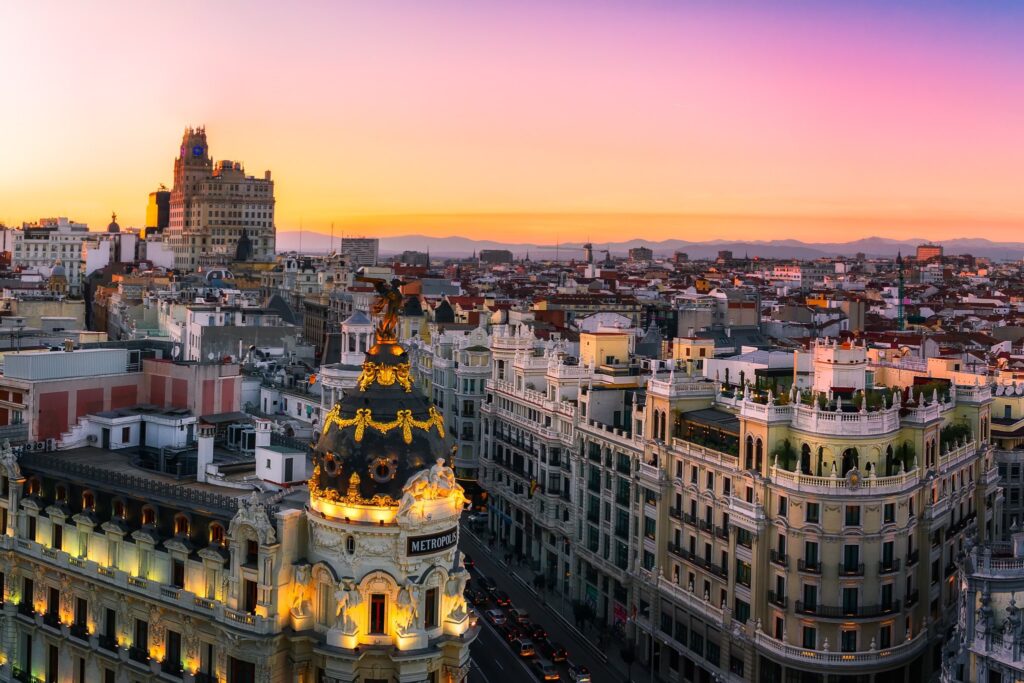
Madrid is the ideal starting point for the best route to explore Spain, combining history, culture, and vibrant urban life. Over five days, the city allows you to immerse yourself in its artistic and architectural richness while enjoying its unique energy.
Very special cultural experiences
The city offers unique opportunities to explore its museums and palaces with tranquility and privacy. Visiting the Prado Museum and the Reina Sofía Museum outside regular hours allows you to enjoy the collections without crowds and appreciate masterpieces by artists such as Velázquez, Goya, or Picasso with a level of detail rarely experienced.
Similarly, the Royal Palace of Madrid offers an exceptional perspective on monarchical history and its impressive architecture when visited under more private conditions.
Private day trips to Toledo and Segovia
From Madrid, two day trips can enhance the cultural experience and can be done with a private driver. In Segovia, the Roman Aqueduct and the Alcázar are must-see landmarks, while tasting roasted suckling pig connects you with local culinary tradition.
In Toledo, the city offers a combination of history and stunning views: its Alcázar dominates the skyline, and the Monastery of San Juan de los Reyes reflects centuries of religious and military heritage. Both destinations provide historical context and showcase the richness of Castile just a few kilometers from Madrid.
Barcelona and Penedés in 5 days: architecture, gastronomy, and Mediterranean wines
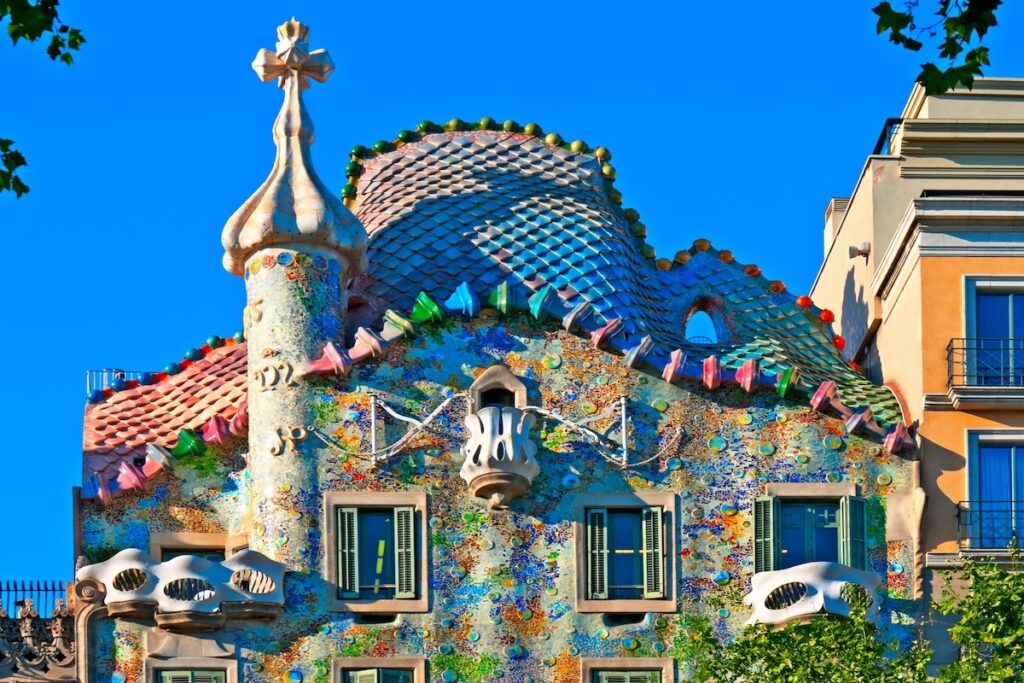
Gaudí’s work and modernism
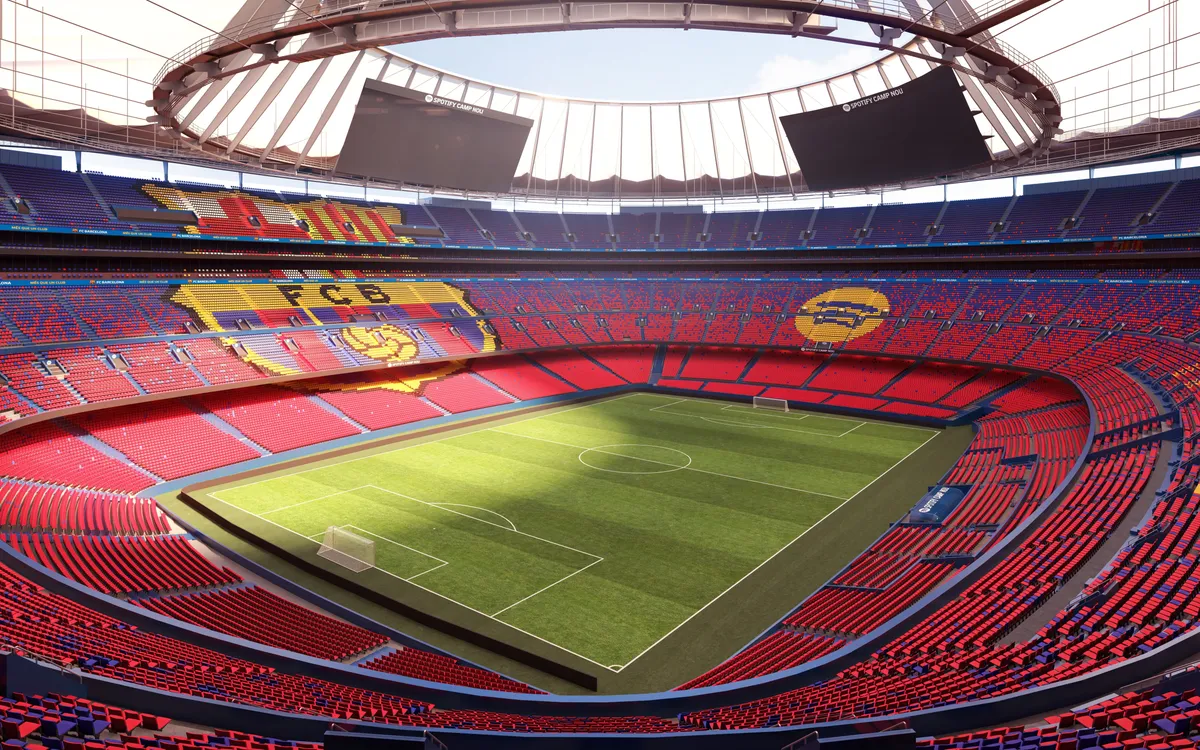
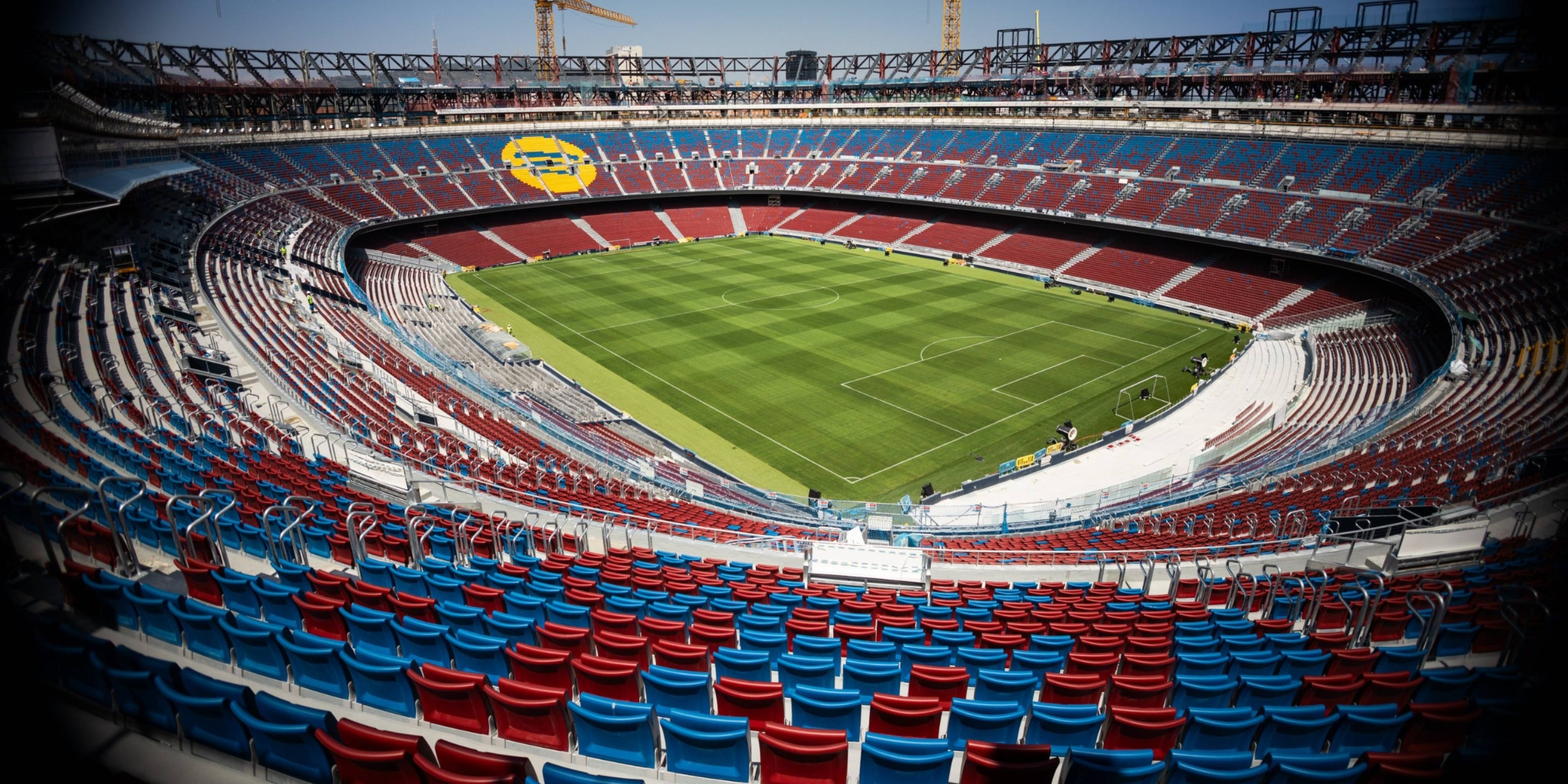
Barcelona is a city that combines creativity, history, and Mediterranean lifestyle, making it an essential stop on the best route to explore Spain. Its architecture, shaped by the genius of Antoni Gaudí, defines the city’s identity: from the iconic Sagrada Familia to Park Güell, each work reflects innovation and sensitivity to its surroundings.
Additionally, modernism can be felt along avenues such as Passeig de Gràcia, while areas like the Olympic Village showcase the urban transformation Barcelona has undergone in recent decades.
Urban gastronomy
The city also stands out for its unique culinary culture. Exploring its markets, discovering local offerings, and enjoying restaurants that combine tradition and creativity allows you to understand Catalan cuisine in all its dimensions. Every bite reflects the city’s connection to the Mediterranean and its commitment to fresh, local products.
Costa Brava: beaches, charming villages, and Mediterranean landscapes
The Costa Brava, less than two hours from Barcelona, is a natural and cultural treasure that adds a completely different dimension to the city’s urban route. Its coves with crystal-clear waters and peaceful beaches, such as Calella de Palafrugell, Cala Sa Tuna, or Tamariu, invite relaxing walks and allow you to connect with the Mediterranean in its purest form.
Picturesque coastal villages preserve their traditional architecture and local charm, offering perfect spots to explore on foot: squares, cobbled streets, and markets where daily life in the region can be felt. The Camí de Ronda trails run along cliffs and connect hidden coves, offering spectacular views of the coastline and the Mediterranean vegetation that characterizes the area.
The gastronomy of the Costa Brava completes the experience: family-run restaurants, fresh fish markets, and local products allow you to taste traditional Catalan recipes, integrating authentic flavors into the route through Spain.
Dalí Museum in Figueres: surrealism and unique heritage
Just over an hour from Barcelona, the Dalí Museum in Figueres is a must-stop for those following the best route to explore Spain with a cultural focus. Designed by Salvador Dalí himself, the museum not only houses the largest collection of his works but also reflects his creative universe: every room, installation, and architectural detail conveys the essence of surrealism and the artist’s genius.
Exploring the Dalí Museum is an immersive experience: from iconic paintings to sculptures and objects designed by Dalí, you enter a world where art and fantasy intertwine. The historical richness of the building, a former theater converted into a museum, adds architectural value that complements the artistic collection, making this visit a highlight of any Spain itinerary.
Wine day tour in Penedés
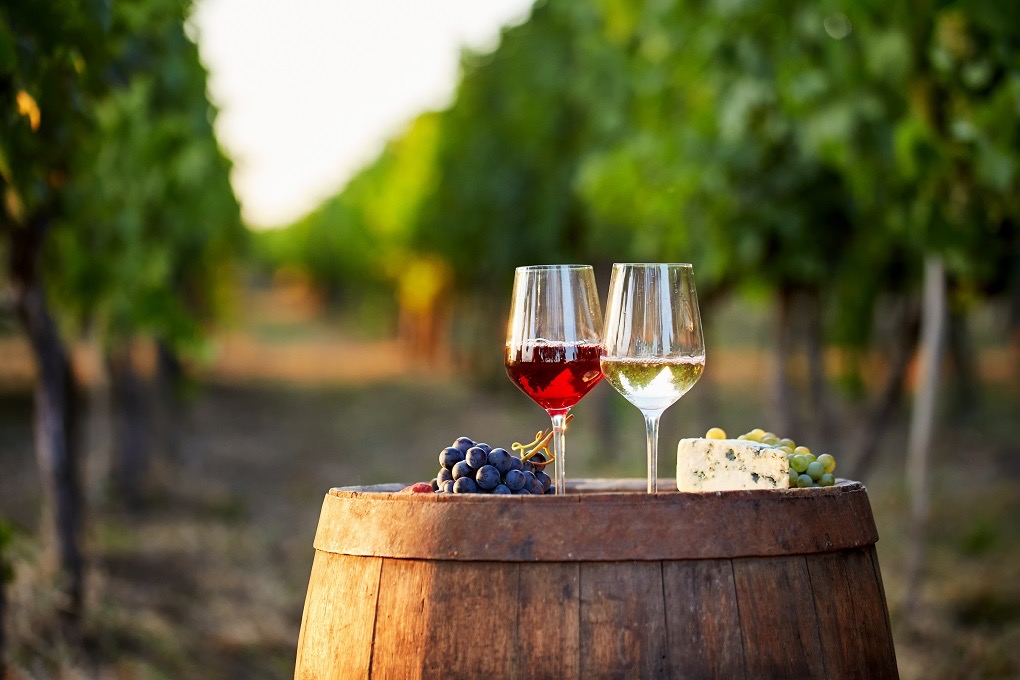
Just 40 minutes from Barcelona, the Penedés region offers a wine day tour that combines vineyard landscapes with history and winemaking tradition. Ancient 17th-century farmhouses host tastings where prestigious wines and cavas can be appreciated, turning the visit into a sensory journey that connects territory, history, and product. This stage reinforces the gastronomic dimension of the route through Spain, integrating culture, landscape, and unique experiences.
Madrid and Barcelona in 6 days: the essentials of two must-see cities
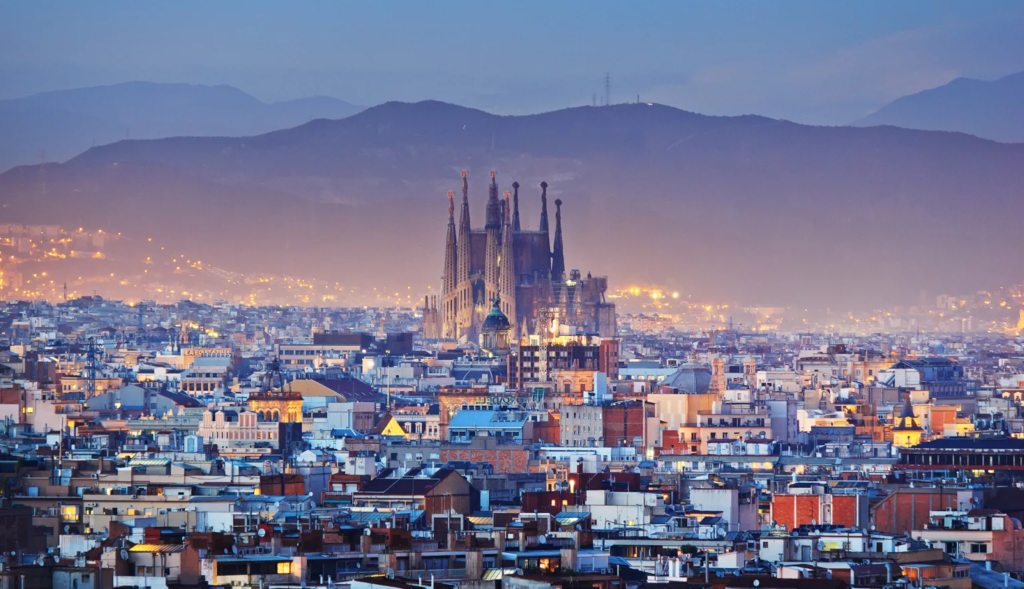
If you only have six days to explore Spain, combining Madrid and Barcelona allows you to experience the best route to explore Spain by focusing on the most iconic aspects of each city. This compact itinerary offers a perfect balance between art, history, gastronomy, and authentic experiences, ideal for those seeking a complete trip through Spain in a short time.
Madrid in 3 days: art, history, and nearby escapes
Madrid, the capital of Spain, combines centuries of history with vibrant urban life. In three days, you can enjoy the essentials: admire masterpieces at the Prado Museum, explore the contemporary collection at the Reina Sofía Museum, and stroll through the impressive Plaza Mayor and Puerta del Sol, symbols of the city’s historic heart.
The Royal Palace, with its monumental rooms and gardens, reflects the grandeur of the Spanish monarchy, while Retiro Park offers a green escape in the middle of the city and is perfect for walking or boating. Neighborhoods like Malasaña, Chueca, or La Latina invite you to discover cafés, shops, and traditional markets, showcasing Madrid life in all its diversity.
Gastronomy is another key highlight: classic tapas, fresh produce markets, and modern restaurants allow you to taste everything from traditional dishes to innovative creations, integrating cuisine into the city’s cultural experience. This part of the Spain itinerary shows how Madrid can be experienced fully and authentically in just a few days.
Barcelona in 3 days: Mediterranean creativity and Penedés wines
Barcelona, with its Mediterranean atmosphere and creativity, offers the other side of the best route to explore Spain. In three days, you can explore the city’s highlights: admire Gaudí’s genius at the Sagrada Familia, Park Güell, and Casa Batlló, stroll through the Gothic Quarter and El Born, and enjoy the bustle of La Rambla, where urban life and culture meet.
The Mediterranean coastline ensures every walk includes a touch of the sea: beaches like La Barceloneta offer a break after exploring the city’s heritage, while markets like La Boquería showcase local gastronomic richness. The city also stands out for its modernism, visible on avenues like Passeig de Gràcia, and for its cultural offerings, from theaters to contemporary museums.
Barcelona’s gastronomy combines tradition and creativity: from tapas and pintxos to signature cuisine in innovative restaurants, reflecting the connection to the Mediterranean and local products. Including Barcelona in this journey guarantees a route through Spain that blends heritage, landscape, and authentic flavors, offering a varied and complete experience even with limited time.
Northern Spain in 7 days: La Rioja, San Sebastián, and Bilbao between wine and gastronomy
La Rioja: two days among vineyards and wineries
La Rioja is one of the most prestigious wine regions in Europe and an essential stop on the best route to explore Spain. Over two days, you can visit some of its most important wineries, learning about winemaking while exploring vineyards that stretch across hills and historic villages.
The town of Haro, with its arcaded squares and traditional architecture, serves as the perfect base to discover its wine culture. You can also explore places like Logroño, famous for Calle Laurel, where local wines are paired with regional tapas, showcasing the connection between territory, gastronomy, and culture.
San Sebastián: three days of gastronomy and coastline
San Sebastián offers a combination of beaches, history, and gastronomy that makes it one of the most renowned destinations in northern Spain. La Concha Beach allows seaside walks with views of the city, while the old town, known as Parte Vieja, stands out for its lively squares and the Church of San Vicente.
Among its iconic buildings is the Victoria Eugenia Theatre, a cultural landmark, and Mount Urgull, which offers panoramic views of the coastline and harbor. The city is also known for its pintxos bars, where creativity is reflected in local products such as txangurro or hake in green sauce, and in markets like Mercado de la Bretxa, where the freshness of sea and land products can be appreciated.
Bilbao: two days of art and urban transformation
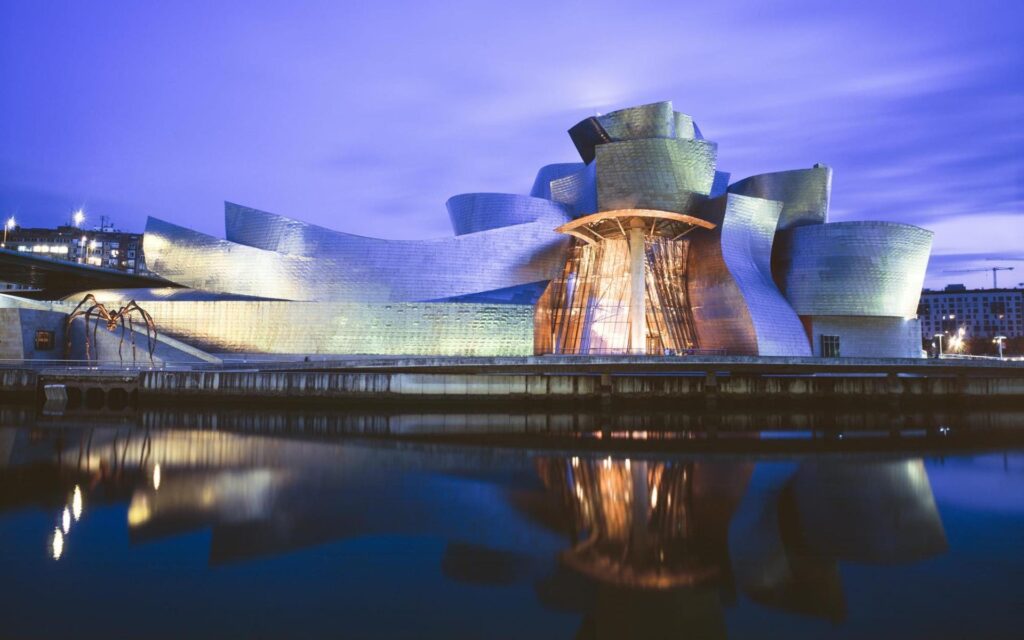
Bilbao represents the most contemporary side of the Basque region and offers an interesting contrast with San Sebastián. The Guggenheim Museum Bilbao is an architectural and cultural landmark, while Bilbao’s Old Town allows you to walk through medieval streets, discover squares like Plaza Nueva and Plaza Santiago, and visit historic churches such as San Antón.
The Zubizuri Bridge and the riverfront area show how the city has integrated modernity and urban planning, while markets like Mercado de la Ribera allow you to explore local products and regional cuisine. This part of the trip through Spain offers a complete view of the city’s evolution, where history, art, and architecture blend with contemporary life.
Seville, Huelva, and Jerez in 5 days: flamenco, Iberian products, and southern culture
Seville: three days of heritage and culture
Seville is the heart of Andalusia and an essential stop on the best route to explore Spain. Its streets combine history, art, and urban life with an identity felt in every corner.
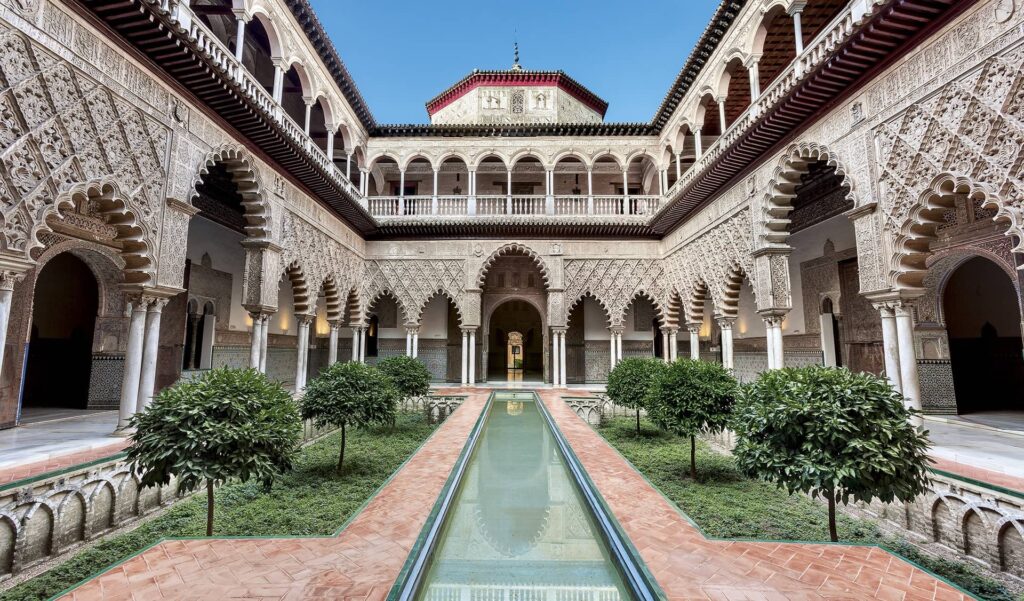
The Royal Alcázar of Seville stands out for its Mudéjar architecture and labyrinthine gardens, while Seville Cathedral and La Giralda offer a journey through the city’s religious and civil grandeur. Walking through neighborhoods like Santa Cruz reveals patios, squares, and streets that preserve centuries of charm.
Gastronomy also plays a central role: from traditional dishes like salmorejo or fried fish to more contemporary proposals that reflect the richness of Andalusian products.
At sunset, a cruise along the Guadalquivir River allows you to admire Seville’s skyline in warm light while enjoying a carefully selected variety of tapas, showcasing the richness of local cuisine in a sophisticated way. This moment combines gastronomy and landscape in a way that captures the essence of the city without rush or crowds.
Huelva in one day: Iberian products and tradition
Nearby, Huelva offers insight into the tradition of Iberian pork and the production process of some of Spain’s finest hams. The dehesa, with its holm oaks and open landscapes, is where Iberian pigs feed on acorns, and guided visits to curing facilities help you understand the importance of this product in Andalusian gastronomic culture.
Jerez: one day of flamenco and wine
Jerez de la Frontera is known for its sherry wine, a cultural heritage of southern Spain, and for flamenco, which can be experienced in traditional taverns and historic venues.
The old town combines squares, churches, and patios reflecting centuries of history. Wineries allow visitors to learn about local winemaking traditions, while flamenco shows reveal the strength and passion of an art form that is emblematic of Andalusia and Spain.
Historic Andalusia in 7 days: Córdoba, Granada, Málaga, and Ronda between heritage and landscapes
Córdoba: two days of history and heritage
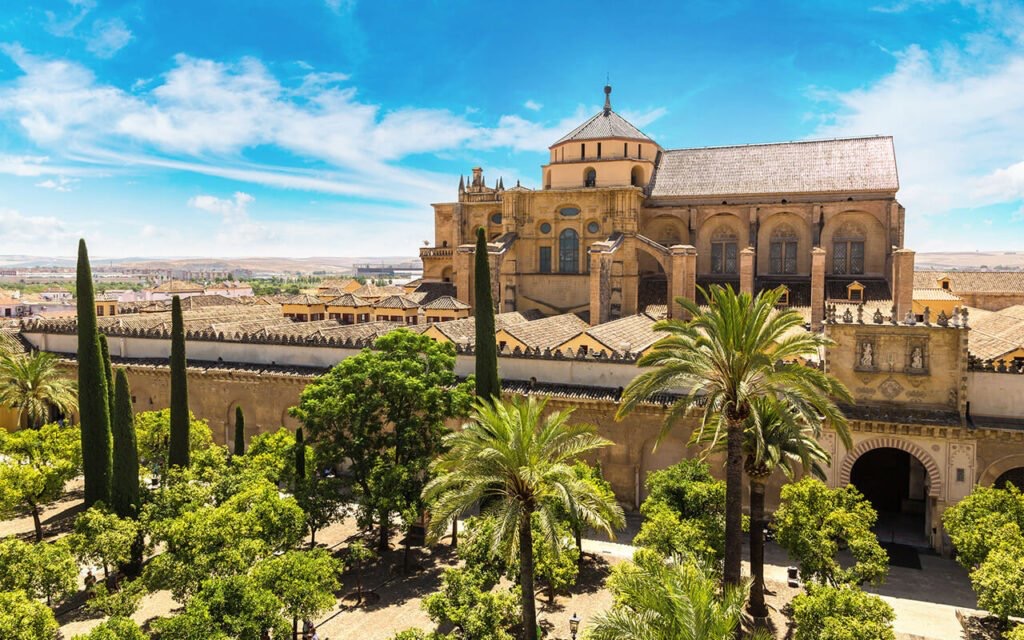
Córdoba impresses with the richness of its heritage and the harmony of its streets. The Mosque-Cathedral of Córdoba is the city’s historical heart, with its impressive forest of columns and mosaics reflecting centuries of Arab and Christian influence.
Walking through the Jewish Quarter and its patios reveals corners full of history, while squares and cobbled streets evoke the city’s multicultural past.
Granada: two days between the Alhambra and the Albaicín
Granada combines Nasrid architecture, mountain landscapes, and charming neighborhoods. The Alhambra is a global reference of Islamic art, with palaces, courtyards, and gardens that convey centuries of history. The Albaicín district, with its narrow streets and viewpoints such as San Nicolás, offers stunning views of the city and the Alhambra.
Much of its appeal lies in the blend of heritage, traditions, and scenery, making the stay a complete cultural journey and an essential part of any trip through Spain.
Málaga and Ronda in 3 days: art, coast, and Andalusian traditions
Málaga combines history, culture, and proximity to the Mediterranean, offering a complete experience for those following the best route to explore Spain. Among its main attractions are the Picasso Museum Málaga, which houses works by the artist born in the city, as well as the Alcazaba of Málaga and the Roman Theatre, allowing visitors to explore centuries of history in a single walk.
The historic center, with its squares and pedestrian streets, adds a vibrant urban experience combining heritage, local shops, and gastronomy.
An hour and a half away, Ronda offers a change of scenery and pace. The city is famous for its Puente Nuevo, which spans the dramatic El Tajo gorge, and for its historic hanging streets reflecting centuries of history. Additionally, visitors can explore olive oil traditions in local mills or learn about the breeding of fighting bulls on private estates, connecting with two of the region’s most representative products.
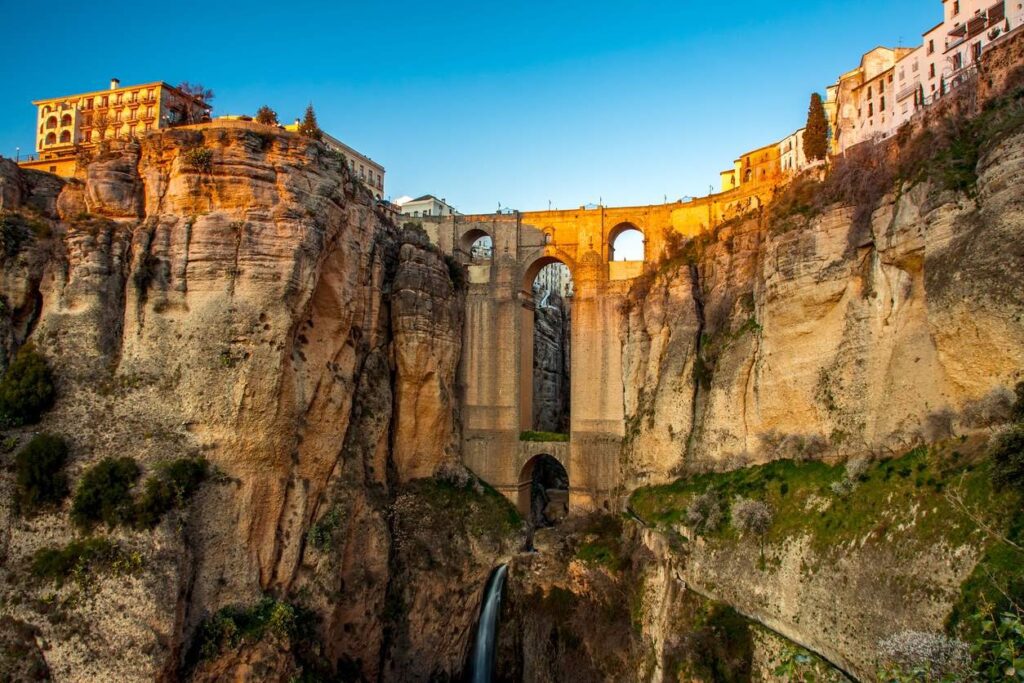
This journey from Málaga to Ronda combines heritage, nature, and gastronomy in an organized way, closing the Andalusian stage of the route through Spain with an experience that integrates history, culture, and rural tradition without sacrificing comfort or rhythm.

How to experience Spain in a unique way
Experiencing Spain in a unique way and planning the best route to explore Spain goes far beyond choosing destinations and accommodations. Each city, wine region, and historic corner is best enjoyed when organized with attention to detail and deep knowledge of the country. Madrid, Barcelona, La Rioja, the Basque Country, and Andalusia offer monuments, gastronomy, landscapes, and culture, but the real difference lies in how they are explored and how each moment is experienced.
Traveling through Spain can mean simply following the most popular itineraries, or discovering each place in a more refined and relaxed way: walking through historic neighborhoods, exploring museums and monuments privately, enjoying local gastronomy in carefully selected markets or restaurants, or visiting wine regions through experiences only local experts can provide. In this way, each city becomes not just a destination, but the starting point of a more harmonious journey.
At DMC Society, we design and coordinate journeys like this. We work to ensure that every trip through Spain is smooth and effortless, combining private transport, luxury accommodation, expert guides, personalized cultural and gastronomic activities, private visits to museums and monuments, and tailor-made programs for groups or incentives. Every detail is planned and synchronized, creating an experience that works as a perfectly integrated whole.
The result is that every moment gains meaning: Spain is explored at a relaxed pace, itineraries flow seamlessly, and each experience reflects a level of care that only a local partner can provide. With DMC Society, traveling through Spain becomes more than just visiting cities; it becomes a tailor-made experience where comfort, culture, and authenticity come together at every moment.To design your personalized Spain itinerary, contact our team: hola@dmcspainsociety.com or +34 722 827 186.